What do you think?
Leave a comment, start a discussion, or simply share what inspired you — every story grows through dialogue.
More Chapters to Explore
Dive into more stories and insights that deepen your understanding of Central Asia and Silk Road.
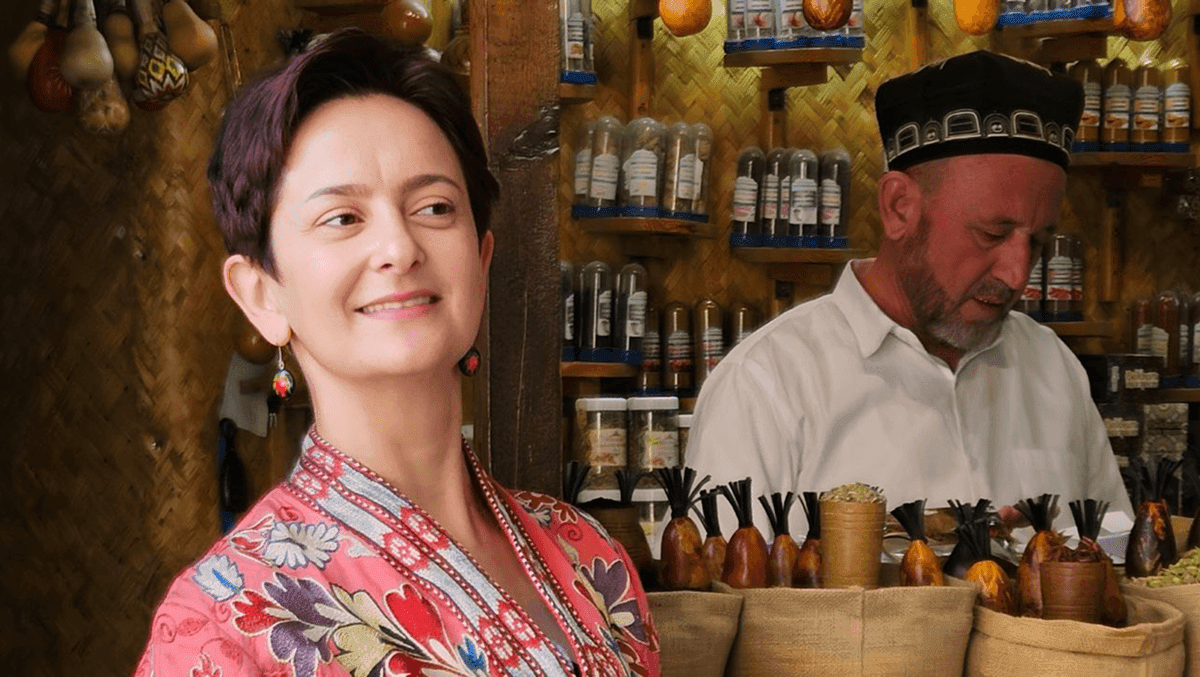
Famous tea of Bukhara
Among the many sensory treasures of Central Asia, few are as intriguing as the famous spiced tea of Bukhara — a drink that has survived centuries without changing its essence. Unlike most teas of the Silk Road, which traveled in caravans from China or India, this Bukharan brew is remarkable for what it doesn’t contain: there are no black or green tea leaves in its classical form.
2364
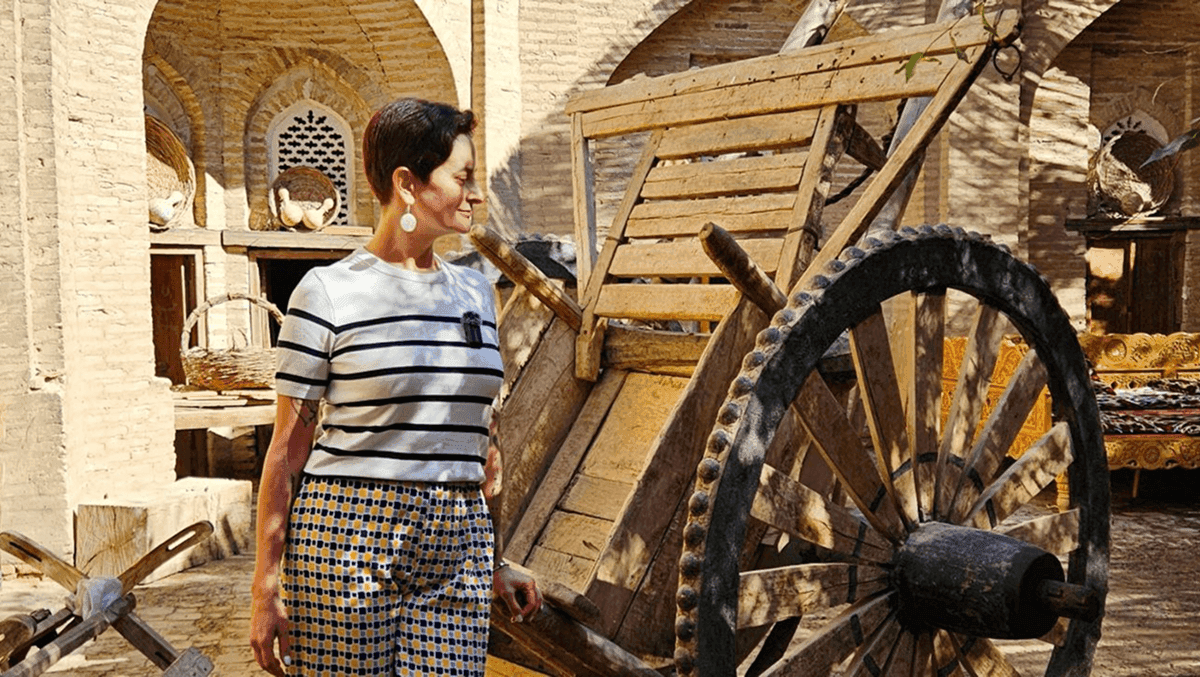
Arba, or Arava - the main vehicle of the old Central Asia
For centuries, long before motor roads and railways reshaped Central Asia, everyday life moved on the slow, steady rhythm of the arba — also known as arava in Tajik and Uzbek. This traditional two-wheeled wooden cart was one of the most recognizable and enduring vehicles of the region. Whether crossing the steppe or navigating the tight lanes of ancient cities like Bukhara and Samarkand, the arba served as a reliable companion for merchants, farmers, craftsmen, and caravan workers alike.
1374
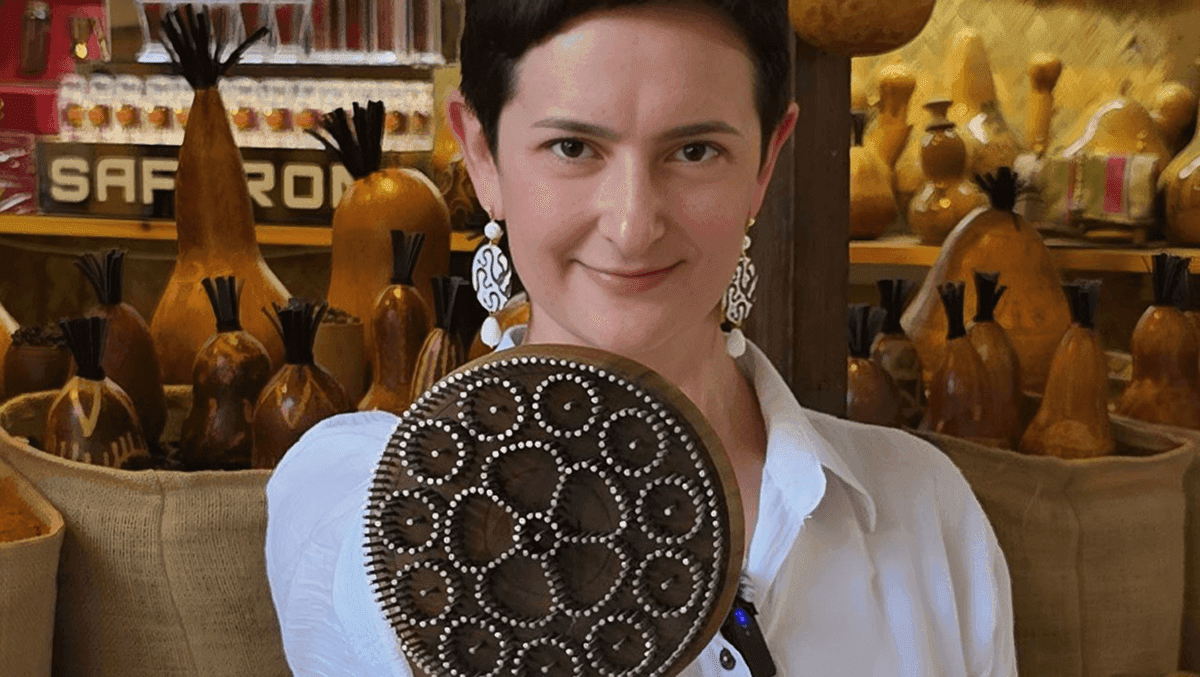
NONPAR - a special bread stamp
A nonpar (also called chekich in Uzbek and tukhumbar in Tajik) is a handheld stamp used to imprint patterns at the center of bread before baking. Its primary purpose is both artistic and functional: the stamped design prevents the middle of the bread from rising too much, while adding an instantly recognizable visual identity to each loaf.
1264
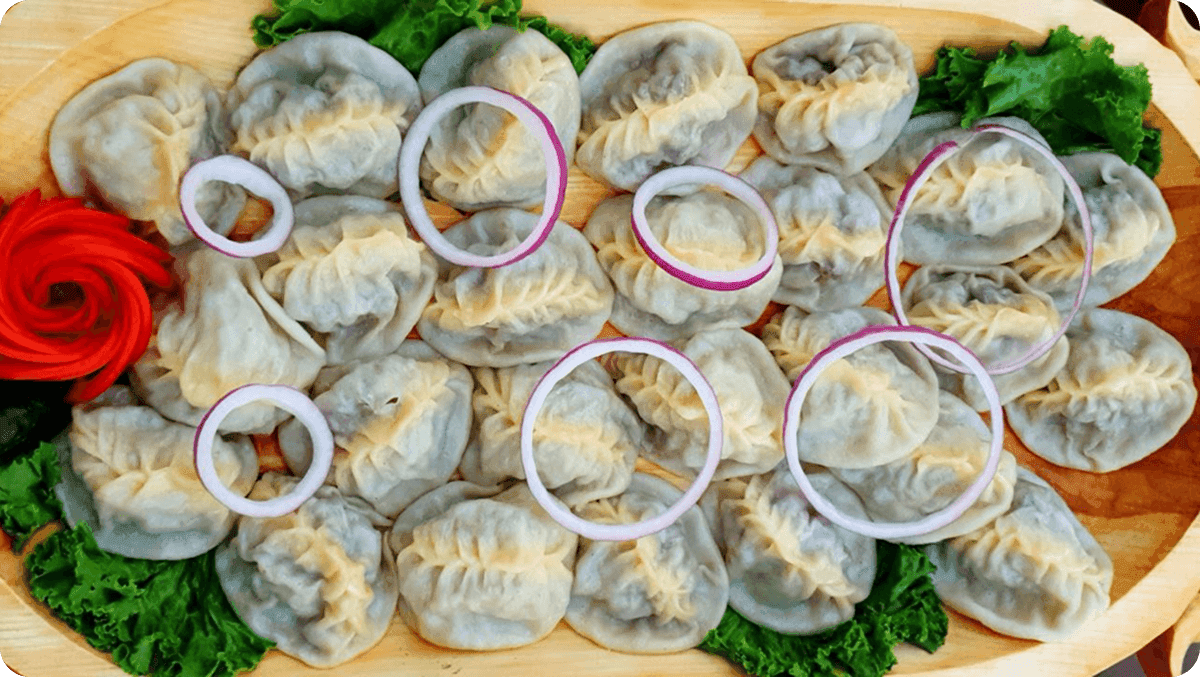
MANTI DUMPLIMGS - one of the main dishes of Central Asia
Manti dumplings are one of the most iconic dishes of Central Asia. Found in Uzbekistan, Kazakhstan, Kyrgyzstan, and parts of western China, manti represent far more than just steamed dough with meat.
1746
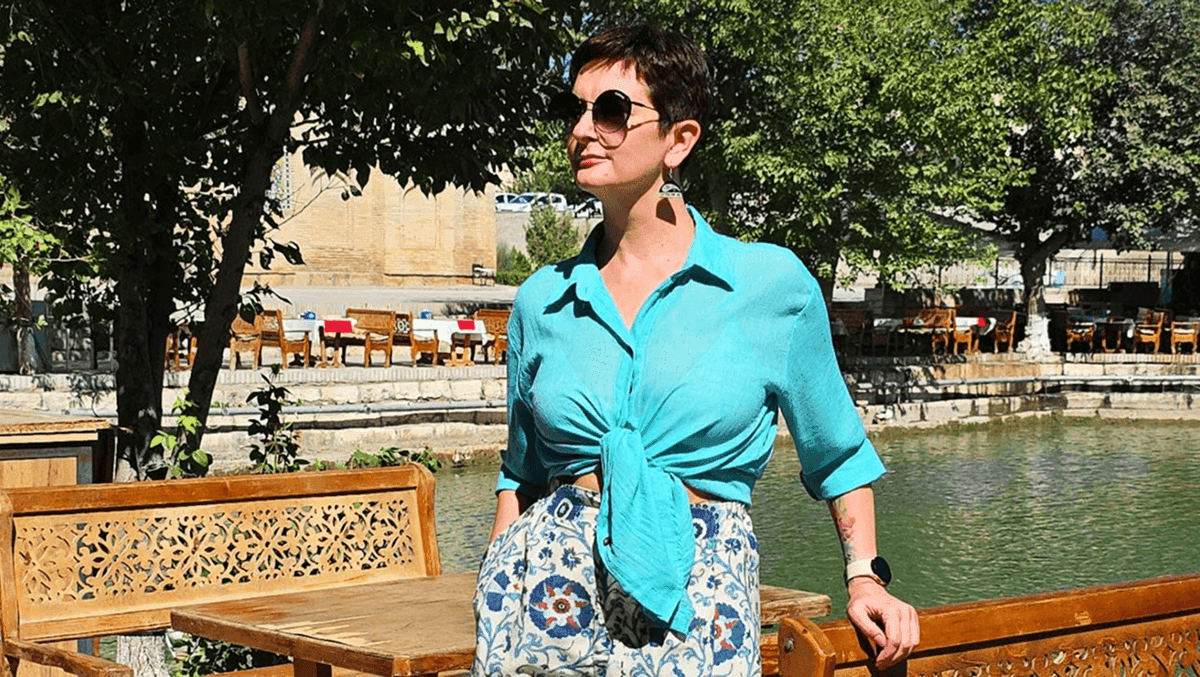
KHOVUZ - a source of water in Ancient Bukhara
In the old city of Bukhara, khovuz (also written hauz or howuz) were more than just decorative ponds. For centuries they formed a clever – and sometimes dangerous – water system that kept life going in this desert oasis.
45
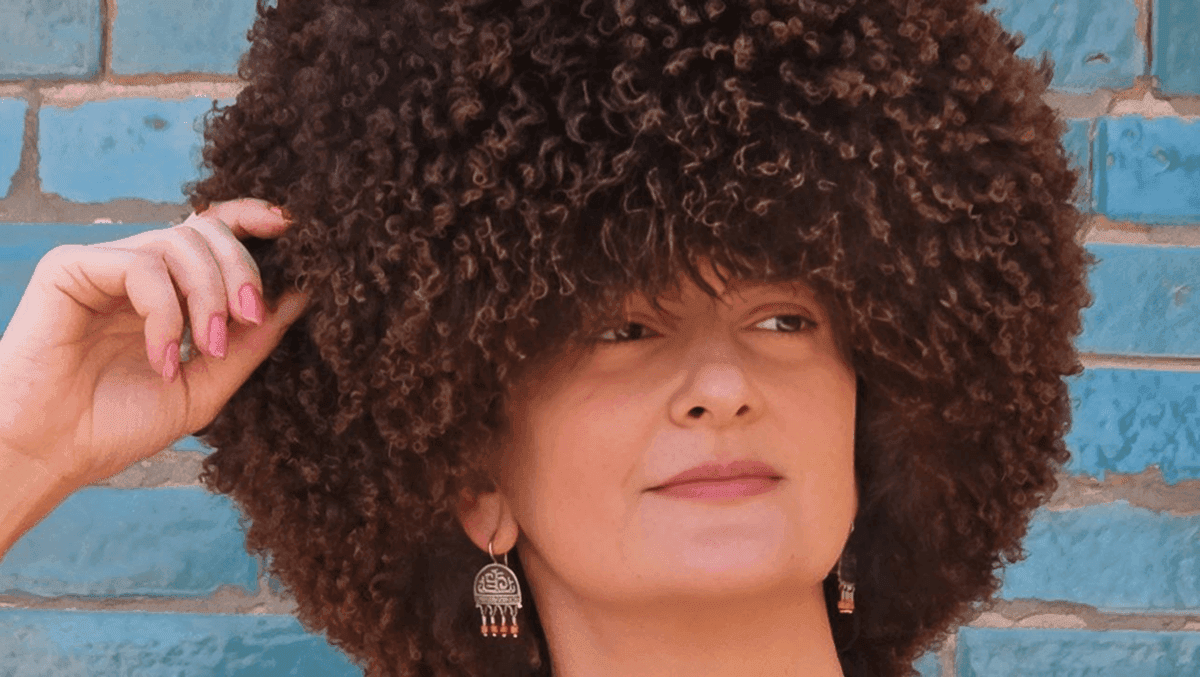
CHUGURMA — a traditional hat of the west of Central Asia
Chugurma (Uzbek: choʻgirma) is a tall men’s fur hat closely associated with the Khorezm oasis in the west of Central Asia – today straddling north-western Uzbekistan and parts of Turkmenistan. More than just winter headgear, it became one of the most recognizable symbols of Khorezmian identity, worn in city bazaars, desert caravans and, today, at festivals and in tourist photos from Khiva’s old town.
1807
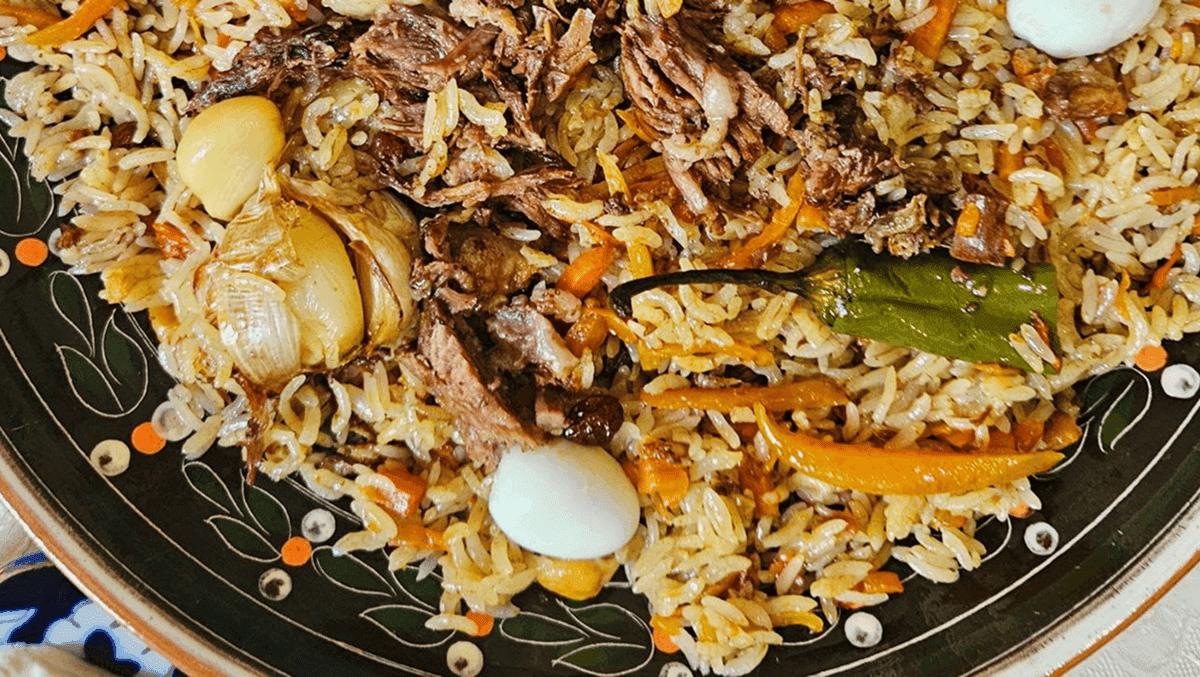
PLOV must try in Uzbekistan
Plov – or palov, as it is often called in Uzbekistan – is far more than a rice dish. It is widely regarded as the national dish of Uzbekistan and is closely tied to everyday life, hospitality, and celebration.
1039
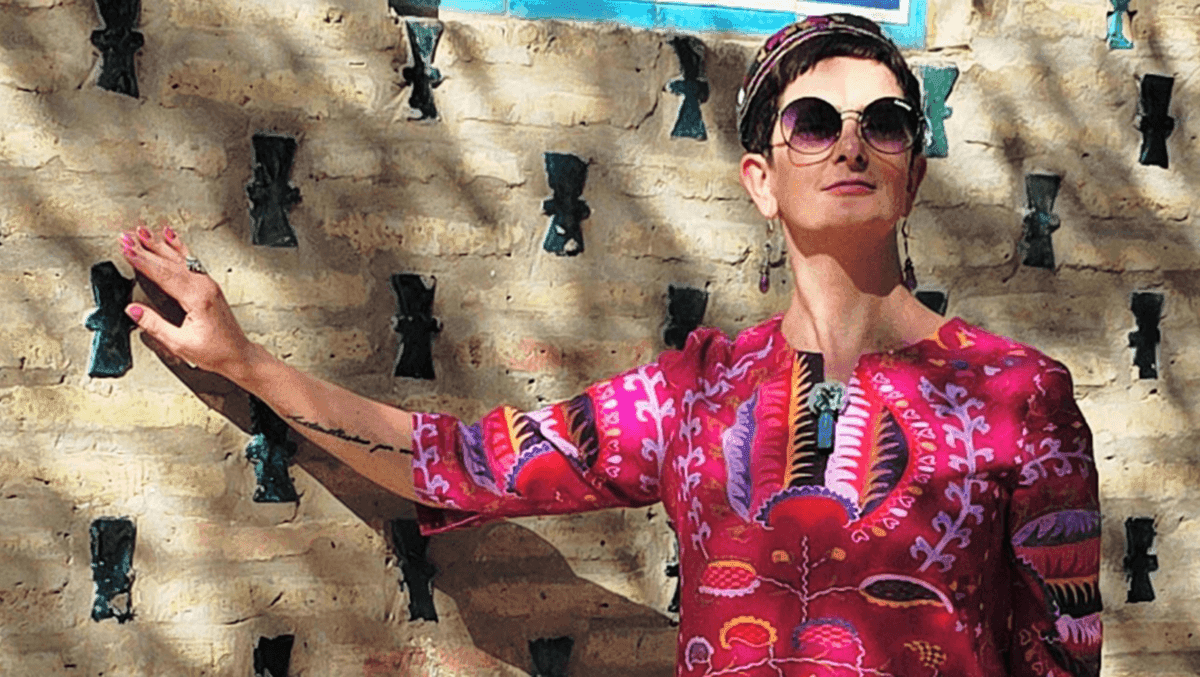
Where is Pakhlavan Makhmud buried?
Pahlavan Mahmud who lived between 1247 and 1325, stands as one of the most revered historical figures of Khiva. Known simultaneously as a poet, philosopher, wrestler, and Sufi master, he embodies a rare combination of physical strength and spiritual depth. Over the centuries, he became the patron saint of Khiva, and his mausoleum—later transformed into the dynastic necropolis of the Khivan khans—remains one of the city’s most sacred sites.
965
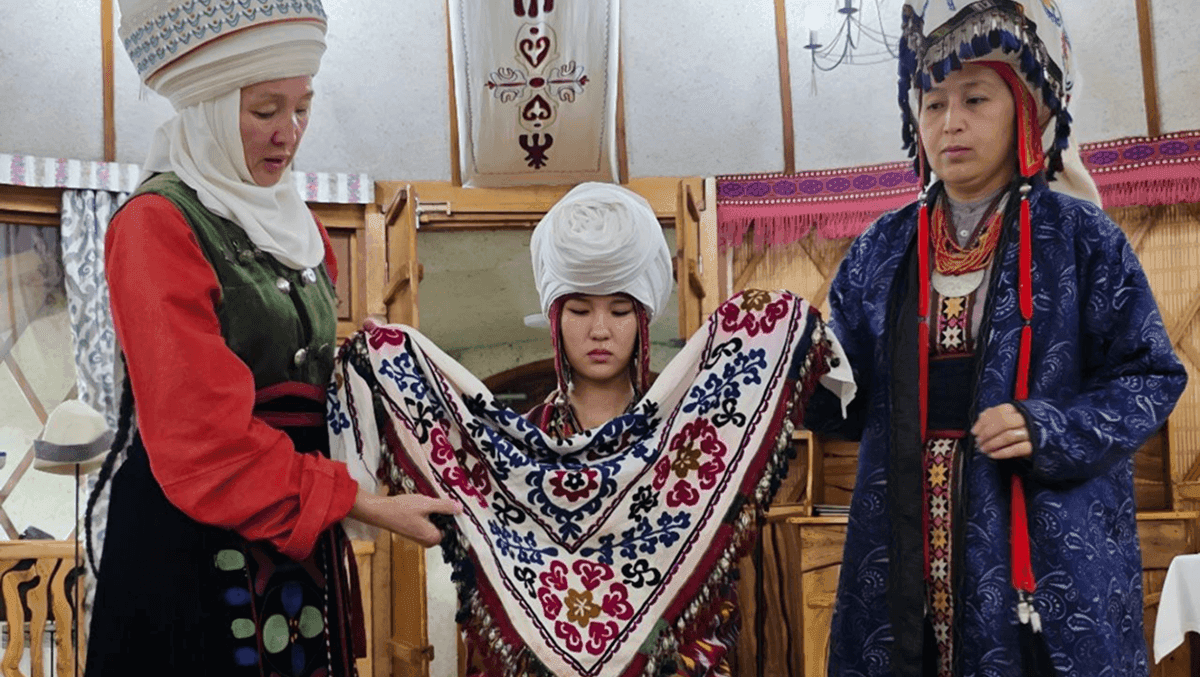
ELECHEK — a beauty of Kyrgyz traditional outfit
Among the many symbols of Kyrgyz traditional culture, the elechek stands out as one of the most striking and meaningful. This elaborate women’s headdress, made from long, carefully wrapped lengths of white cloth, has been part of Kyrgyz identity for centuries.
503
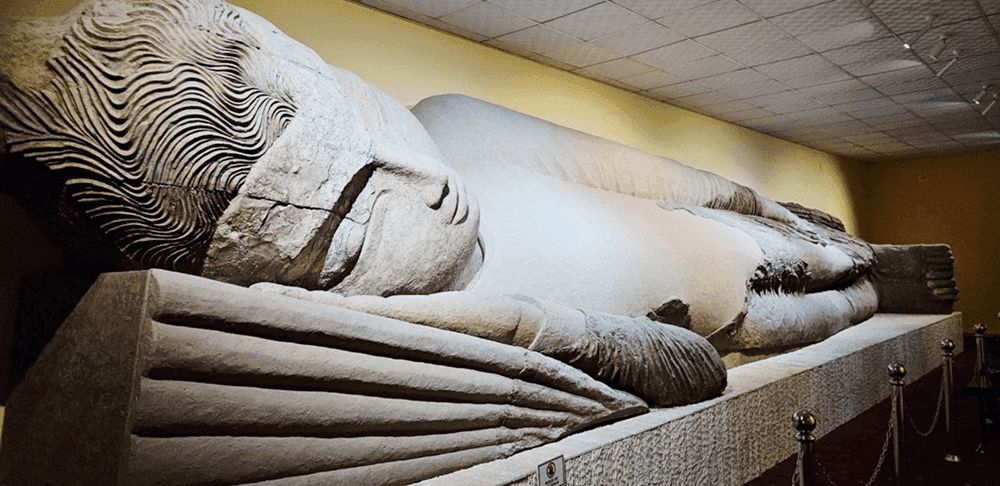
Huge Buddha from the Past of Tajikistan
The monumental Buddha from Ajina Tepe is one of the most remarkable Buddhist artworks ever discovered in Central Asia, and today it is the star exhibit of the National Museum of Antiquities in Dushanbe, Tajikistan.
1235
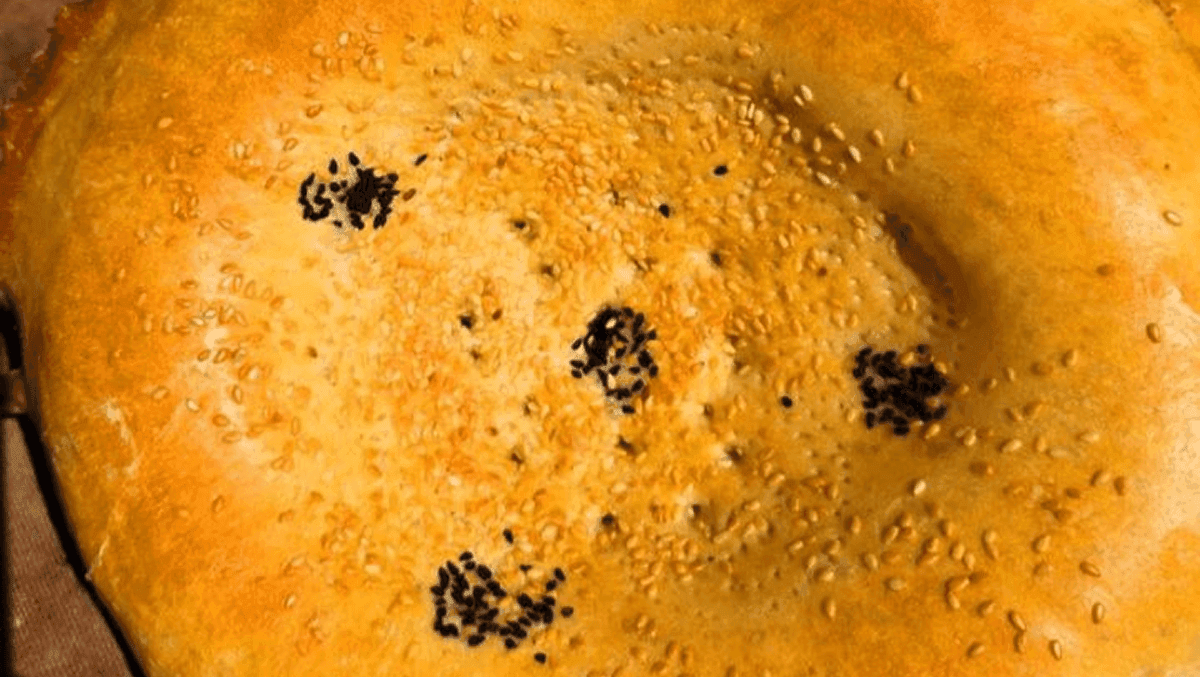
BREAD OF SAMARKAND — taste full of legends
Samarkand bread is one of the most treasured symbols of Uzbek cuisine. Recognized for its round shape, golden crust, dense texture, and distinctive stamped patterns in the center, this bread has become an emblem of the ancient Silk Road city that gave it its name. For centuries, it has been praised not only for its flavor and beauty but also for its cultural meaning — hospitality, abundance, and the deep-rooted culinary traditions of Central Asia.
830
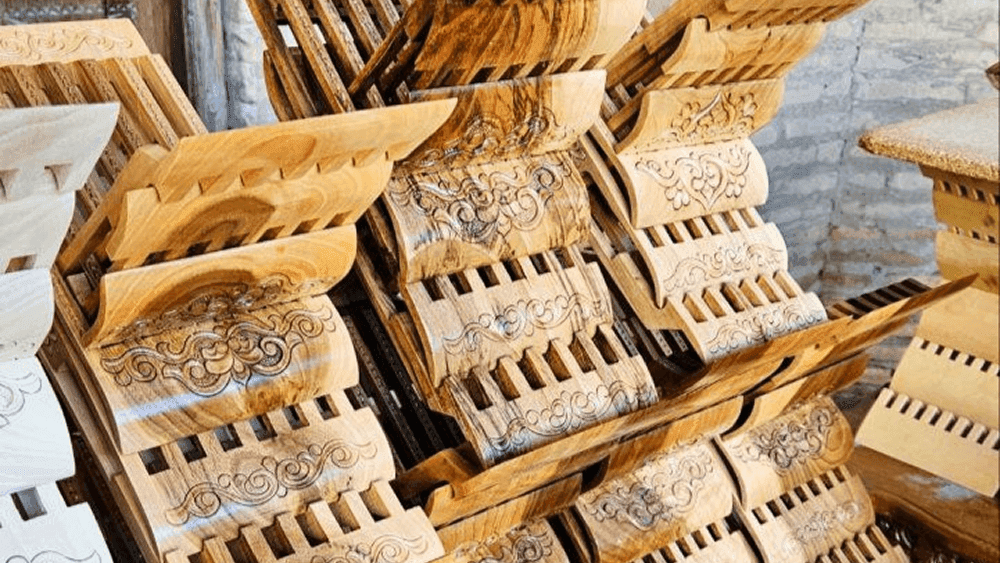
LAUKH — An Exquisite Book Stand
The laukh — a traditional wooden stand for the Qur’an and other manuscripts — is one of the most elegant and meaningful objects found throughout the Islamic world, including Central Asia. Known under different names across regions (such as rihal in the Middle East and North Africa), in Central Asia the term laukh is widely used.
1605
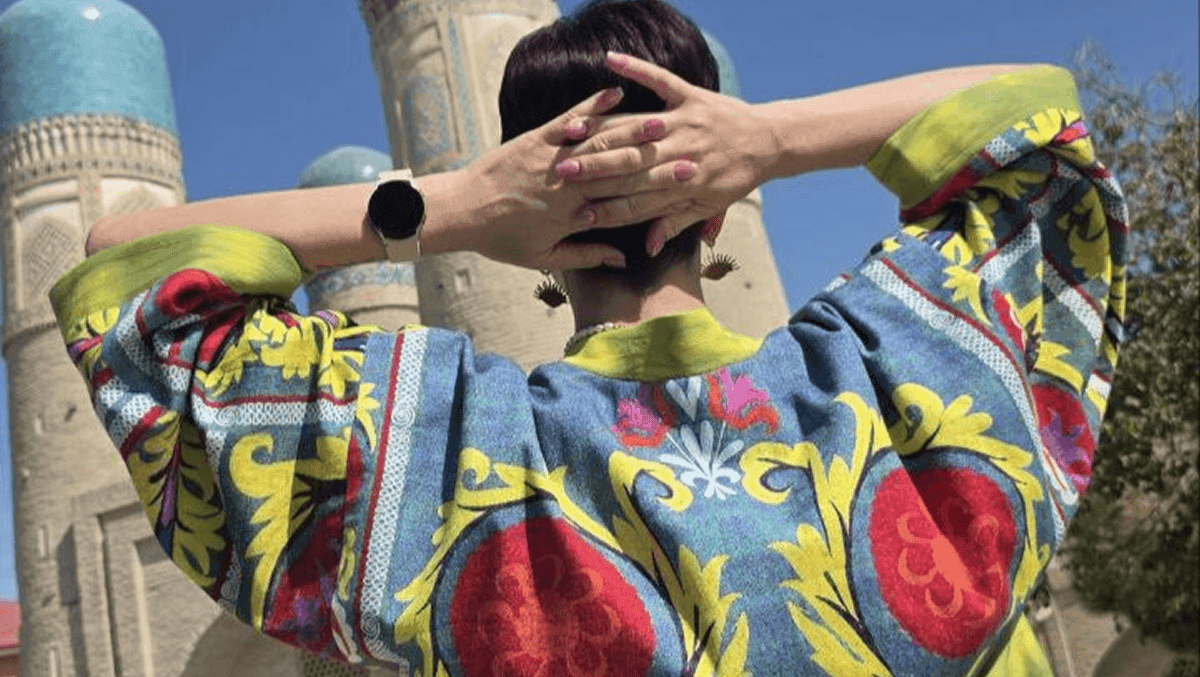
CHOR MINOR: Old Bukhara’s Gem
Hidden among the winding mahallas of old Bukhara stands one of the city’s most unusual and charming architectural monuments — Chor Minor, meaning “Four Minarets.” Despite its name, Chor Minor is not a mosque with multiple minarets, but rather a small and architecturally unique gatehouse built in the early 19th century.
707
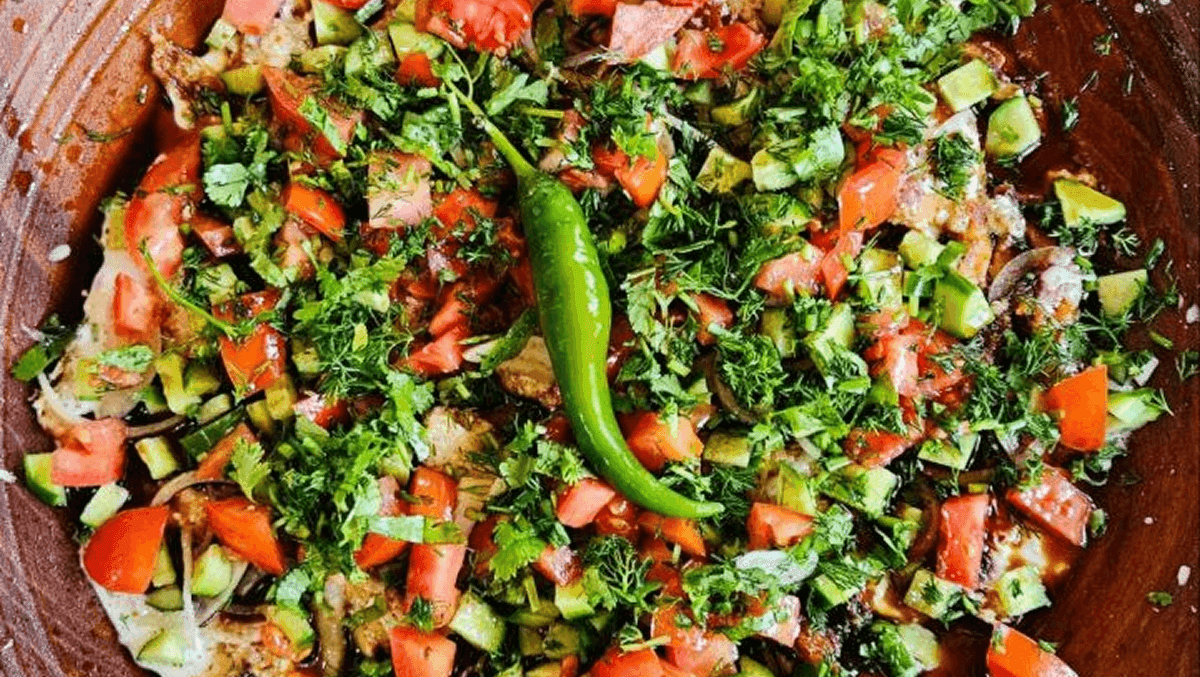
KURUTOB — a signature dish of Tajikistan
Among the many dishes that define the culinary identity of Tajikistan, kurotob holds a special and beloved place.
1244